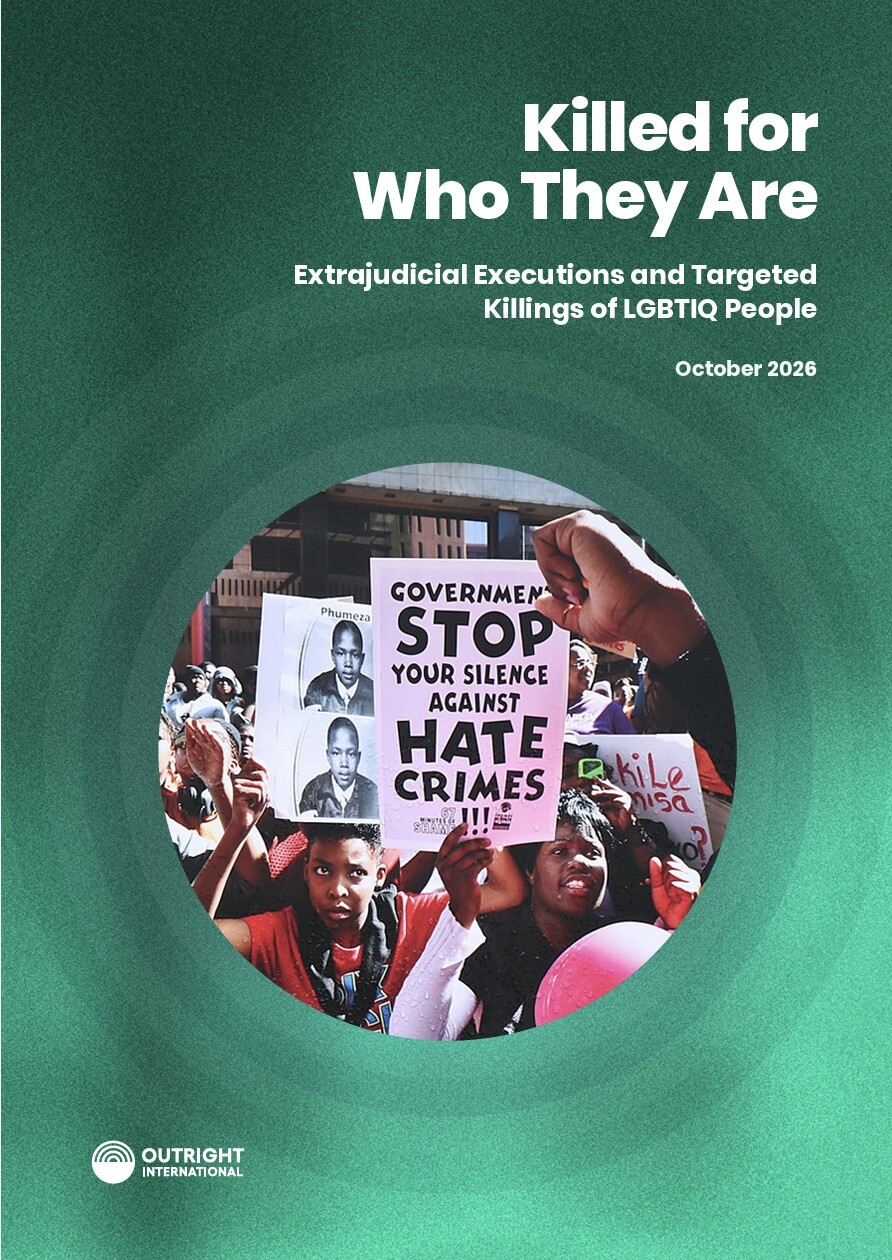

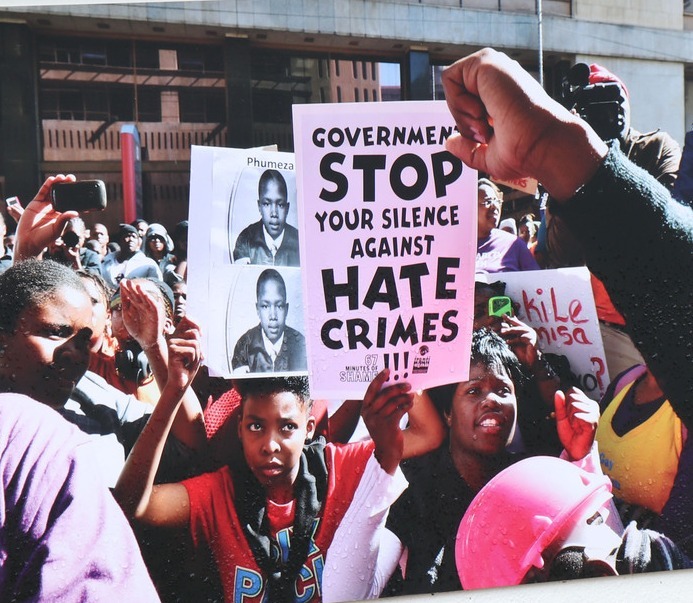
In every region of the world, people are killed for who they are
Outright documented hundreds of targeted killings of LGBTIQ people between January 2020 and July 2026. The report finds that most governments have not done nearly enough to stop lethal violence against LGBTIQ people, with tragic results.
Perpetrators killed LGBTIQ people to “protect family honor,” to punish nonconformity, to silence queer activism, or to avoid being outed as their romantic or sexual partners. Criminalization of same-sex conduct, weak state responses to anti-LGBTIQ violence, and entrenched stigma make LGBTIQ people more vulnerable to violence and less likely to see justice. Despite the frequency of these crimes, many states have no hate crimes legislation and remain slow in holding perpetrators accountable.
Why this conversation, why now
This year, the UN General Assembly votes on its biennial resolution on extrajudicial, summary, or arbitrary executions. The resolution has long named sexual orientation and gender identity as grounds on which people are vulnerable to unlawful killing, but some states have made repeated attempts to remove that language. Keeping it in the 2026 text is essential to the right to life of LGBTIQ people.
What the speakers will cover

The report's key findings, and what they reveal about patterns of impunity

Perspectives from South Africa and Colombia on identity-motivated violence, access to justice, and the role of civil society

What is at stake in the 2026 UN resolution, and how states can help keep “sexual orientation and gender identity” as protected categories

The report's recommendations, including protecting all vulnerable communities in the 2026 resolution, inclusive hate crime legislation, holistic data collection, police reform, and independent oversight
Speakers


Who should attend
- UN member state delegates
- Civil society organizations
- Human rights defenders
- Funders
- Journalists
- Anyone working to end violence against LGBTIQ people
Please note: this session addresses violence and killings and may be distressing for some participants.