

On-demand briefing · New report
Breaking Point:The Urgent Need to Invest in Global LGBTIQ Movements
“How do we stand on our own?” That is what a program manager at Kebaya, a trans women-led organization in Indonesia, asked Outright’s researchers. On September 10, Outright International published the largest global assessment to date of how the loss of funding in 2025, particularly the U.S. withdrawal of foreign assistance, has affected LGBTIQ movements, human rights, and development. Watch the briefing with the findings. The researchers who ran the survey and activists responding to the cuts walk through what the report found and what funders can do now.
Watch on demand
Recorded live on Thursday, September 10, 2026
57 minutes, including the Q&A. Register and the recording plays right away.
● Available now, with the full report
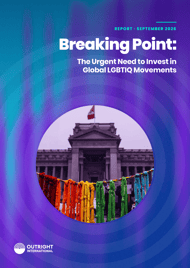
New report · September 2026
The Question
“How do we stand on our own without support of funders or the government?”
Program manager, Kebaya, a trans women-led organization in Yogyakarta, Indonesia
Funding cuts in 2025 reduced Kebaya's staff from eleven to three – in a context where trans women are largely excluded from formal employment. Now, Kebaya is forced to cut back on housing support at the same time that it limits entrepreneurship trainings that reduced the need for emergency shelter in the first place. Kebaya’s question is a call to action: governments, philanthropies, and other funders must not leave queer movements to stand on their own.
What We Found
Outright surveyed 229 LGBTIQ organizations in 94 countries between February and April 2026. Of those, 203 had lost funding since January 2025, and more than half name the U.S. government as the source of what they lost, following the Trump administration’s reversal on human rights and development.
203 of 229
organizations surveyed in 94 countries lost funding since January 2025
Among those 203 organizations
49% lost more than half their budget
63% can no longer respond to emergencies
36% say they are likely to close within the next year
3% describe themselves as stable
Survey of 229 LGBTIQ organizations in 94 countries, February–April 2026. Percentages refer to the 203 organizations that lost funding.
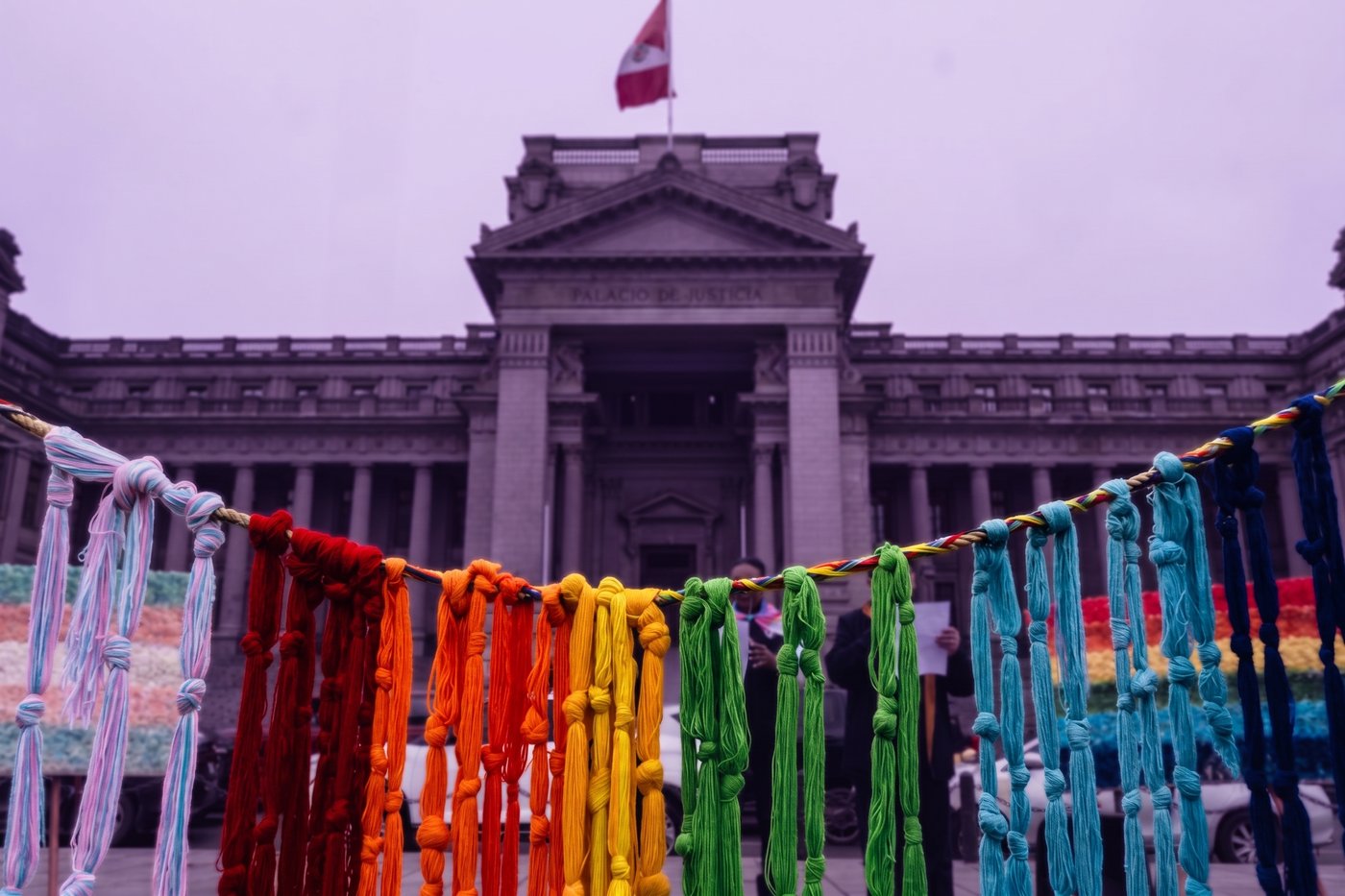
The funding cuts have landed where the need is greatest. In countries with the least impartial justice systems, the most widespread discrimination, and the hardest living conditions, organizations were two to three times more likely to be affected. Shelters have closed or come under threat on four continents. In Liberia, LEGAL can no longer pay the peer navigators who delivered HIV medication to people's homes, and links the interruption in treatment to deaths in its community. In Chile, Movilh, which has historically handled more than 90% of the country’s reported cases of anti-LGBTIQ discrimination, has run its free legal, psychological, and peer support on volunteers since funding cuts in August 2025.
For funders
The report asks funders to move money faster than annual cycles, to fund staff and operations rather than projects alone, to restore community-led health services, to fund protection directly, and to keep intermediary channels open. The briefing introduces those five asks and the evidence behind them.
1Move money faster than annual cycles
2Fund staff and operations, not projects alone
3Restore community-led health services
4Fund protection directly
5Keep intermediary channels open
Speakers
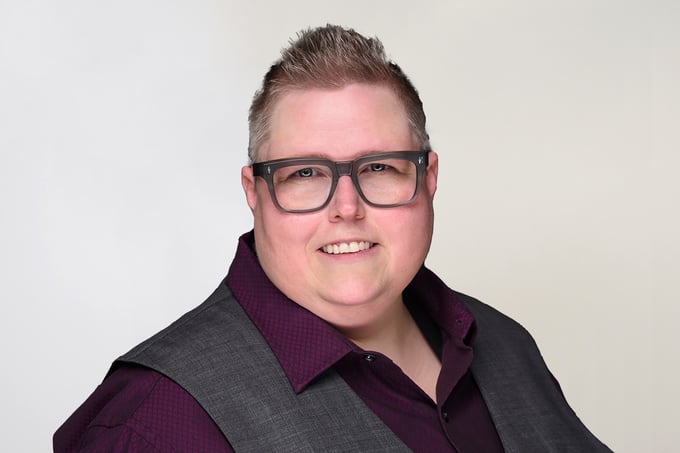
Maria Sjödin
They or she pronouns · Executive Director
Outright International
Maria Sjödin is the Executive Director of Outright International and has been a leader in the global LGBTIQ movement for over 25 years. They have led major advocacy victories, expanded crisis response efforts, and strengthened international partnerships to support LGBTIQ communities worldwide. Previously, Maria led RFSL, Sweden’s largest LGBTIQ organization, where they successfully advocated for marriage equality and the abolition of forced sterilization of trans people.
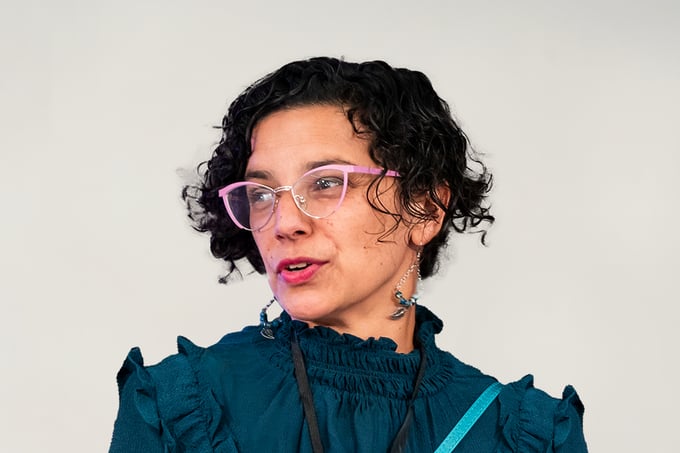
Neela Ghoshal
Any pronouns · Senior Director of Law, Policy, and Research
Outright International
Neela Ghoshal is Outright’s Senior Director of Law, Policy, and Research, based in Washington D.C. They oversee research and advocacy as well as trans, intersex, and LBQ initiatives at Outright. Neela has recently led research initiatives on queering democracy, the global attacks on trans people’s rights, and the impact of Trump administration funding cuts on LGBTIQ communities globally. Neela frequently speaks and writes about legal developments impacting LGBTIQ people, gender liberation, and peace, security, and accountability.
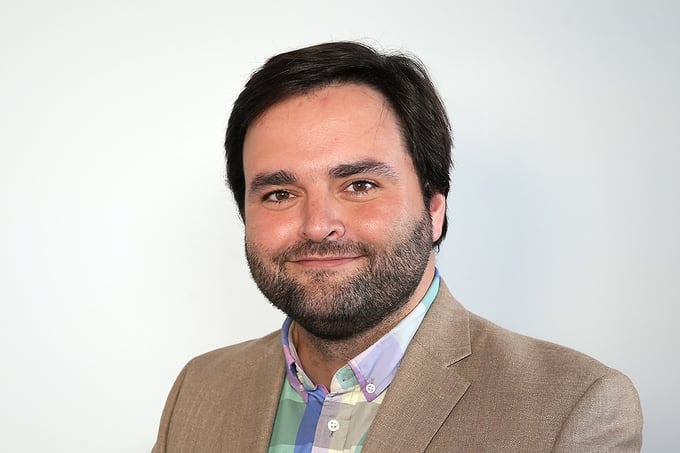
Alberto de Belaunde
He/him/él · Director of Queer Legal Futures
Outright International
Alberto de Belaunde is the Director of Queer Legal Futures at Outright. He was the second openly gay congressman in the history of Peru. In 2019, he was awarded the Victory Institute Tammy Baldwin Breakthrough Award for his work on behalf of the LGBTQ community. In 2021, he was part of the Yale World Fellowship. He has published three books, one of them about openly LGBTI authorities in Latin America.
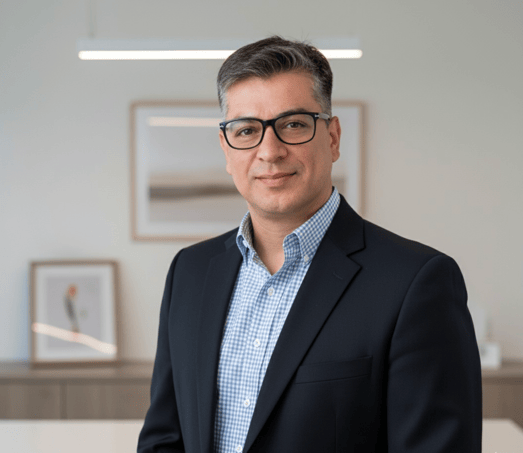
George Hale
He/him · Director of Institutional Development
Promsex (Peru)
George Hale is a Peruvian human rights advocate with a background in computer engineering and graduate training in gender, sexuality, and public policy. A founding board member of PROMSEX, he has worked for two decades to advance sexual and reproductive rights and LGBTI+ rights in Peru and across Latin America, including through regional and international advocacy networks.
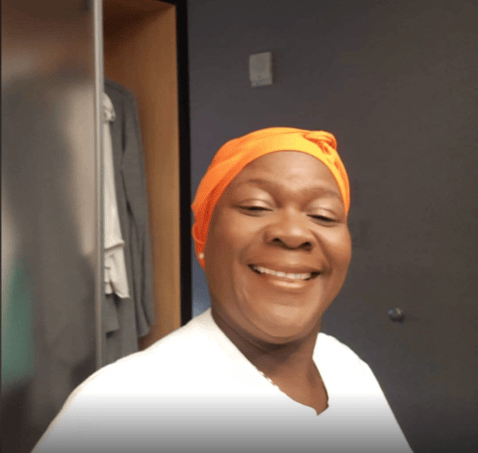
Catherine Sealys
She/her · President
Raise Your Voice (Saint Lucia)
Catherine Sealys is a Saint Lucian advocate for women’s and children’s rights and a co-founder of Raise Your Voice Saint Lucia Inc. Drawing on her background in business administration and project management, she has worked to support survivors of gender-based violence while advocating for stronger systems of protection and access to justice.
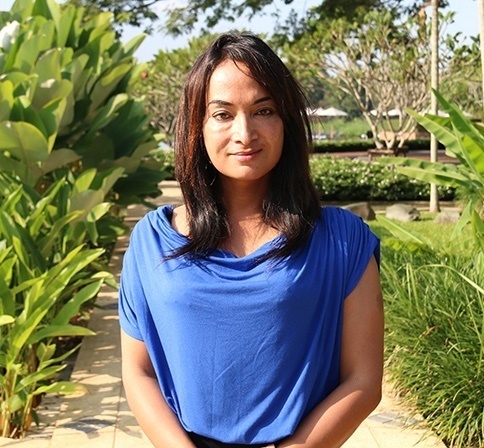
Manisha Dhakal
She/her · Executive Director
Blue Diamond Society (Nepal)
Manisha Dhakal is a Nepali LGBTI rights activist who has been involved in the movement since 2001. A prominent transgender rights advocate, she was the first trans woman to serve on Nepal’s Country Coordinating Mechanism for the Global Fund and is a founding member of the Asia-Pacific Transgender Network.
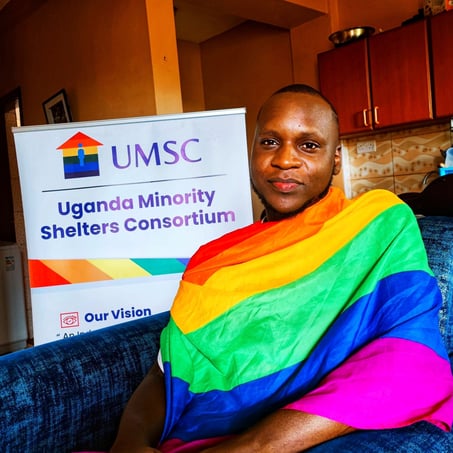
John Grace
They/them · Coordinator
Uganda Minority Shelters Consortium
John Grace is a non-binary transgender human rights defender and the Coordinator of the Uganda Minority Shelters Consortium (UMSC). Living with a physical disability, John champions an intersectional, disability-led approach to crisis response. They lead a decentralized coalition of over 30 grassroots safe spaces across Uganda, providing emergency housing, digital security, and health autonomy for transgender, gender-diverse, and LGBQ+ youth surviving the severe legal and socio-economic realities of post-AHA (Anti-Homosexuality Act) Uganda.
What the briefing covers
✓The findings from Outright researchers who ran the survey and coordinated qualitative research
✓Testimony from leaders of organizations documented in the report
✓The five actions the report asks of funders
✓Questions from the live audience, answered by the panel
✓The full report, one click from the recording
Watch the briefing on demand.
Register once and the recording plays straight away, with the report one click away.
Subscribe to our newsletter
Future updates, reports and events from Outright International.
FAQ
Is this on the record?
Yes. The briefing was on the record, and the recording is shared with everyone who registers.
Will you share the data?
The full report is public at outrightinternational.org/breaking-point. Individual survey responses stay confidential.
Who should watch?
Funders reassessing portfolios, journalists covering foreign assistance or human rights, policymakers, activists, and researchers working on how movements sustain themselves when institutional funding is withdrawn.
What is the relationship to Outright’s Defunding Freedom report?
That report, published in February 2025, documented the first weeks of the U.S. foreign assistance freeze, based on a survey of 125 organizations in 59 countries. This one returns eighteen months later with a larger sample, an assessment of funding losses across multiple governments, intermediaries, and philanthropies, and the benefit of time.